Group Benefits Renewal Checklist for Employers With 10 to 50 Employees

Benefits advisor reviewing group benefits renewal documents with a business owner in a professional office setting.

Key Takeaways

  • Renewal is not automatic approval — accepting new rates without reviewing your claims history, employee usage, and plan fit can lock you into a structure that no longer serves your team.
  • Five areas matter most — claims trends, coverage gaps, employee comprehension, service quality, and administrative support all deserve a deliberate look before you sign.
  • Switching carriers is not the default fix — sometimes a plan restructure, funding model adjustment, or service conversation solves the problem more effectively than a full carrier change.
  • Timing is your leverage — the 60 to 90 days before renewal is when employers have the most options; waiting until the last week limits what you can do.
  • A benefits advisor’s role at renewal is to help you compare options with context, not just present the lowest-cost quote available.

Most employers with 10 to 50 employees renew their group benefits plan the same way every year — they receive the renewal notice, review the rate change, and decide whether to accept or push back. That process misses a lot.

A renewal is more than a pricing decision. It is a scheduled opportunity to confirm whether your plan still fits the business you are running today, not the one you had when you first enrolled. For employers in this size range, getting that review right matters more than it might for a larger organization, because each dollar spent on benefits is visible on the books, and every coverage gap tends to surface quickly when your team is small.

The checklist below is designed to structure that review. Work through it before you accept your next renewal, and you will have a clearer picture of what to keep, what to question, and whether to explore other options. If you want guidance on where your current plan stands, reviewing group benefits for your business with an advisor is a practical place to start.

A manufacturing company with 22 employees had carried the same group benefits plan for four years. The owner renewed each year without much review because premiums stayed within a range he considered acceptable. At the fifth renewal, rates jumped significantly. When he finally sat down with an advisor to understand why, the answer was straightforward: a handful of high-cost claims in the previous two years had shifted the claims ratio, and the plan design had not adapted to absorb that pressure. Dental maximums had not changed since year one, meaning employees with more complex dental needs were hitting limits regularly and absorbing out-of-pocket costs they hadn’t expected. Two team members had quietly left comments in an exit interview referencing benefits dissatisfaction. None of this had triggered a formal review because the plan was always just accepted. Walking through a structured checklist before that fifth renewal would have surfaced the trend two years earlier, when there were more options and less pricing pressure to work through.

What to Review Before Accepting Your Renewal

1. Claims History and Trends

Ask your advisor or carrier for a claims utilization report. This document shows where your plan spend is going — dental, paramedical, drug, extended health — and whether any categories are running consistently high or low relative to your premium allocation.

High utilization in one category is not automatically a problem, but it does tell you something about your workforce’s actual needs. Low utilization in another area may signal coverage that is not resonating or benefits your team is not using. Both patterns are worth acting on before rates are locked in for another year.

2. Plan Design and Coverage Fit

Your workforce likely looks different than it did when the plan was set up. A team that has grown from 12 to 30 employees, shifted toward younger workers, or added part-time staff may have different coverage priorities than the original plan anticipated.

Check whether current benefit maximums, drug formulary structure, dental coverage tiers, and paramedical limits still reflect what your employees actually need. Maximums that made sense three years ago may now feel inadequate, and carrying coverage your team does not value is a cost without a corresponding retention return.

3. Employee Understanding and Communication Quality

One of the most consistent sources of dissatisfaction with group benefits is not the coverage itself — it is employees not knowing what they have. If your team does not clearly understand their coverage, maximums, waiting periods, or how to submit a claim, the plan delivers less value than it theoretically provides.

Renewal is a practical time to ask whether your carrier or advisor has provided enrolment support, communication materials, or education resources over the past year. If the answer is no, that is worth raising as an expectation for the next term.

4. Service Quality and Administrative Support

How responsive has your plan administrator support been when issues came up? Were claims handled cleanly, or did your team encounter delays, denials they did not understand, or errors that required follow-up?

Service quality is harder to quantify than premium cost, but it has a real operational impact for a business your size. When a 20-person team has claims issues, the employer often absorbs a disproportionate amount of that friction. Evaluate service honestly as part of your renewal review, not just the rate.

5. Funding Model Alignment

Not every business in the 10 to 50 employee range is at the same stage of benefits maturity. If your claims costs have been stable and predictable, it may be worth asking whether your current fully-insured model still makes sense, or whether options like an Administrative Services Only (ASO) structure, a Health Spending Account layer, or a hybrid approach could give you more control and flexibility at a similar or lower cost.

This is not a conversation about finding the lowest rate. It is a conversation about whether the plan structure still matches how your business actually uses its benefits. An advisor who works across multiple funding models can walk you through that comparison without defaulting to one answer.

Renewal Decision Framework: At a Glance

Review Area What to Look For Red Flag to Act On
Claims History Utilization by category vs. premium allocation One or two categories consistently over-indexed with no plan adjustment
Coverage Fit Current maximums, drug formulary, dental tiers vs. team needs Employees regularly hitting limits or ignoring unused coverage
Employee Comprehension Team understands what they have and how to use it Repeated questions about basics, or no enrolment support from the carrier
Service Quality Responsive claims handling, clear admin support Unresolved claims disputes, slow responses, or errors requiring rework
Funding Model Fully insured vs. ASO vs. HSA vs. hybrid alignment Stable claims profile but no conversation about model alternatives in years
Renewal Timing Starting the review 60 to 90 days before renewal date Receiving renewal notice and accepting same-week without review

How an Advisor Fits Into This Process

Completing this checklist is more useful when you have someone who can interpret what the data means in the context of the current market. An advisor with access to multiple carriers and funding models can tell you whether your renewal rate reflects normal trend movement or whether there are structural reasons your costs are climbing that a plan adjustment could address.

The advisor’s job is not to recommend switching. It is to help you make a well-informed decision based on claims data, your workforce, your budget, and the options available. Sometimes that means staying put with a restructured plan. Sometimes it means exploring alternatives. Either way, the review process should drive the recommendation, not the other way around.

If you are approaching renewal and want to work through this checklist with context specific to your business, speaking with the team at Summit Benefits is a straightforward next step. There is no obligation in that initial conversation — just a clearer picture of where your plan stands.


Frequently Asked Questions

How far in advance should I start my group benefits renewal review?
Starting 60 to 90 days before your renewal date gives you enough time to request a claims utilization report, review coverage fit, and evaluate whether to explore alternatives. Waiting until the final two weeks limits your options and reduces your ability to negotiate or restructure before the deadline.
Does a higher renewal rate always mean I should shop around?
Not necessarily. A rate increase can reflect your actual claims experience, which means a new carrier would likely price similarly once they see the same history. Before shopping, review whether the increase is driven by claims trends, plan design gaps, or administrative issues that could be addressed within your current structure.
What is a claims utilization report and how do I get one?
A claims utilization report is a summary of how your plan spend has been distributed across benefit categories over the past policy year. Your carrier or advisor can request it on your behalf. It shows where costs are concentrated and whether coverage usage aligns with the structure of your current plan.
Is an ASO or hybrid plan appropriate for a business with fewer than 50 employees?
It depends on your claims history, cash flow, and risk tolerance. ASO structures generally make more sense when claims are stable and predictable. Hybrid models that combine insured components with spending accounts can work well at smaller group sizes. An advisor can model the options based on your actual utilization data before recommending a direction.
What happens if my employees do not understand their benefits?
Poor employee comprehension reduces the perceived value of your plan even when the coverage itself is solid. It can also lead to underutilization, frustration at point of claim, and reduced retention impact. Renewal is a reasonable time to ask your carrier or advisor what communication and enrolment support is available for the coming year.
Can I change plan design at renewal without switching carriers?
Yes. Most carriers allow plan design adjustments at renewal, including changes to benefit maximums, formulary structure, co-insurance levels, and optional riders. A plan redesign within the same carrier is often a faster and less disruptive way to address coverage gaps or cost pressure than a full carrier transition.

The HSA Pivot: Decoding the Actuarial Advantage of Hybrid Benefit Models with Summit Benefits

Senior benefits consultant presenting strategic planning data to executives in a high end boardroom.

The HSA Pivot: Decoding the Actuarial Advantage of Hybrid Benefit Models with Summit Benefits

Key Takeaways

Beyond the Premium: The Strategic Actuarial Shift in Canadian Employee Wellness

The Canadian corporate landscape is currently grappling with a relentless economic driver: Specialty Drug Inflation and Paramedical Utilization. In corporate corridors from Edmonton to Vancouver, traditional group insurance plans are under immense pressure. As the cost of specialty pharmaceuticals and mental health support continues to skyrocket, many mid-market firms are finding themselves trapped on a “Renewal Treadmill,” facing 15% to 20% annual premium hikes that bear little relation to their actual business growth. Summit Benefits has identified that the traditional “Defined Benefit” model—where an employer promises a specific list of services regardless of cost—is increasingly unsustainable. To maintain a competitive edge in a volatile market, sophisticated organizations are moving toward a “Defined Contribution” framework, specifically through the strategic implementation of a Health Spending Account (HSA).

1. Eliminating the Renewal Treadmill via Actuarial Decoupling

The primary friction in a fully-insured model is the “Target Loss Ratio.” Insurance carriers set premiums based on a projection of future claims plus their own administration fees and profit margins. If your workforce has a high-utilization year, your “reward” is a massive renewal hike.

Actuarial Logic: In a traditional plan, the employer assumes the risk of price inflation for every service used. By pivoting to a Health Spending Account, the employer regains control by capping their liability at a fixed dollar amount per employee. This effectively decouples the corporate budget from the inflationary pressures of the broader insurance pool. Organizational Impact Analysis: For a CFO, this shift represents a move from “Reactive Budgeting” to “Strategic Forecasting.” Instead of waiting for a renewal letter to find out their costs, the organization dictates the spend. This stability allows for more aggressive reinvestment in other growth areas, such as R&D or expansion, without the fear of a sudden benefit-cost spike.

2. Tax-Efficiency and the CRA Fiduciary Handshake

One of the most overlooked aspects of plan design is the “Real Value” of a benefit dollar versus a salary dollar. Summit Benefits emphasizes the forensic value of Health Spending Accounts under current Canada Revenue Agency (CRA) guidelines.

Actuarial Logic: A dollar paid in salary is subject to CPP, EI, and personal income tax, often eroding 30-50% of its value before it reaches the employee. Conversely, a dollar placed in a CRA-compliant Health Spending Account is a 100% tax-deductible business expense for the employer and a 100% tax-free benefit for the employee. Organizational Impact Analysis: This creates a massive recruitment advantage. When an employee receives $2,000 in an HSA, they essentially receive the equivalent of a $3,500 salary increase. This efficiency allows Summit Benefits clients to offer a higher “Perceived Value” of total compensation while spending fewer corporate dollars than competitors who rely solely on taxable salary increases.

3. Demographic Neutrality in a Diverse Workforce

A major challenge for HR Directors in Western Canada is designing a plan that appeals to both Gen Z entrants and Boomer-age executives. A fixed, traditional plan often over-serves one group while neglecting the other.

Actuarial Logic: Traditional plans are rigid. They might offer great dental but poor vision, or high drug coverage but no massage therapy. An HSA provides “Demographic Neutrality” by allowing the employee to allocate their fund where they need it most. Organizational Impact Analysis: This flexibility reduces “Benefit Waste.” Instead of the company paying for insurance coverage that is never used (like orthodontics for a childless employee), the employee directs those funds toward their specific lifestyle needs. This level of personalization is a major retention signal, particularly in the competitive talent markets of Calgary and Vancouver, where workers increasingly expect “Benefit Autonomy.”

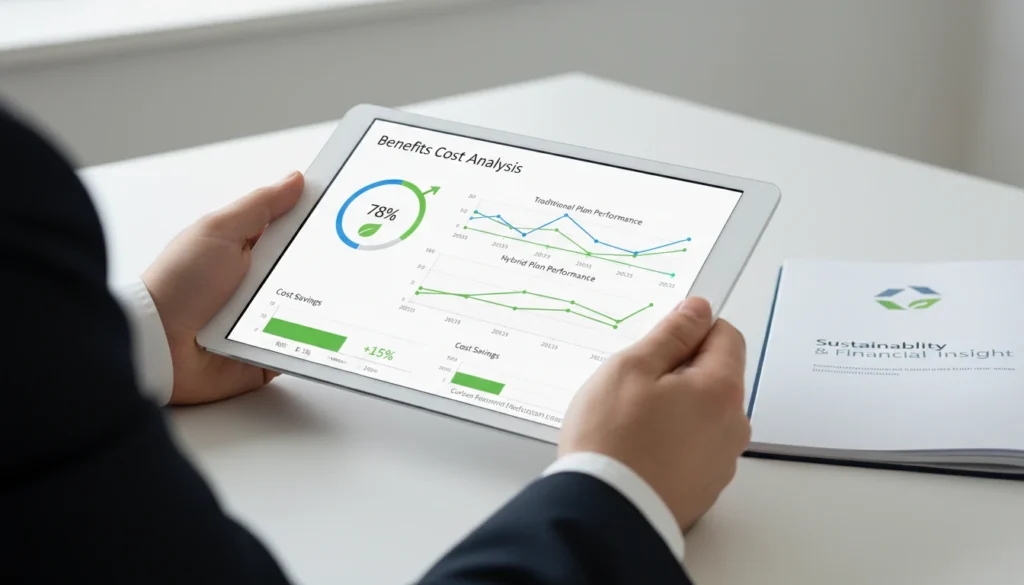
Tablet displaying a benefits cost analysis dashboard in a clean corporate office setting.

Plan Structure Comparison: Traditional vs. Hybrid

Feature Fully-Insured Traditional Hybrid (Core + HSA)
Budget Predictability Low (Subject to renewal) High (Capped at contribution)
Cost Control Carrier-Driven Employer-Driven
Employee Choice Low (Rigid coverage) High (Flexible allocation)
Tax Efficiency Standard Optimized (CRA Compliant)
Actuarial Risk Employer Assumes Inflation Inflation Capped by Budget

4. Transitioning from ASO to Strategic Sustainability

For larger mid-market firms, Summit Benefits often recommends an Administrative Services Only (ASO) approach for the core elements of the Hybrid model.

Actuarial Logic: ASO models remove the “Risk Premium” that insurance companies charge to guarantee a rate. When combined with a Health Spending Account, the employer only pays for the actual claims made, plus a small administration fee. Organizational Impact Analysis: This “Pay-for-Usage” model ensures that the company is not subsidizing the high-claim volumes of other companies in a general insurance pool. It rewards companies with healthy workforces and creates a direct ROI for corporate wellness initiatives. If your wellness program reduces paramedical claims, that money stays in the corporate treasury rather than being swallowed by an insurance carrier’s profit margin.

5. Future-Proofing the Corporate Balance Sheet

As we look toward the 2030s, the “Pivot” is no longer optional for firms seeking long-term stability. The rising cost of biological drugs and the expanding definition of “healthcare” (mental health, fertility, wellness) will break traditional models.

Actuarial Logic: Sustainable plan design requires a “Defined Contribution” anchor. By establishing an HSA now, Summit Benefits helps firms build a scalable framework that can absorb new types of health expenses without requiring a total plan overhaul. Organizational Impact Analysis: This is a fiduciary masterstroke. It protects the company from future legislative changes or market shifts by creating a “Modular” benefit structure. The company can add or remove “Core” elements as needed while the HSA remains the consistent, valued heart of the employee experience.

Frequently Asked Questions

For the employer, yes, because it provides a hard cap on costs. For the employee, it depends on their needs; however, most prefer the flexibility to spend their “benefit dollars” on their specific health priorities rather than a rigid list.

CRA rules allow for a “One-Year Carry-Over” of either unused credits or unclaimed expenses. Summit Benefits ensures your plan is designed to remain compliant while maximizing the benefit to your staff.

Absolutely. This is what we call a “Hybrid Model.” You keep the “Core” insurance for catastrophic events (like high-cost hospital stays or life insurance) and use the HSA for everyday “lifestyle” health expenses.

At Summit Benefits, we implement these strategies for firms with as few as 2 employees up to several hundred. The actuarial advantages of cost-containment apply regardless of the firm’s size.

Understanding Group Benefits Options for Edmonton and Calgary Businesses

Small business owner reviewing group insurance and employee benefits options in Alberta office setting

Conclusion: Protect Your Team, Grow Your Business

Small business owner reviewing group insurance and employee benefits options in Alberta office setting

Understanding Group Benefits Options for Edmonton and Calgary Businesses

Key Takeaways

Why Group Benefits Matter for Alberta Businesses

Group benefits are no longer viewed as something only large employers offer. For many small to mid sized businesses, they are part of a practical employment strategy. A well structured plan can help a company support employee well being, reduce financial stress around health related costs, and create a more competitive overall offer when attracting and keeping staff.

That matters in Alberta, where employers often compete for workers across office, technical, professional, trade, logistics, and service based roles. Some businesses compete mostly on wages. Others need a more rounded package that makes the workplace feel stable and supportive. In both cases, benefits can influence how employees view long term value.

For businesses exploring group benefits for business, the most useful starting point is understanding that there is no single plan type that works for every company. The right structure depends on who the business employs, how fast it is growing, what it can sustain over time, and what kind of employee experience leadership wants to create.

What Group Benefits Usually Include

A group benefits plan can include several categories of coverage. The exact structure varies by carrier and plan design, but most employers begin by comparing a familiar set of benefit types.

Health and drug coverage often form the core of the plan because employees tend to notice and use those benefits most regularly. Dental coverage also matters because it provides visible value and often supports family oriented workforces well. Vision coverage, paramedical services, life insurance, disability protection, and employee assistance support may also be part of the package depending on business goals and budget.

The key question is not simply what can be included, but what should be included. A lean plan may help contain costs, but it may feel less competitive in the hiring market. A richer plan may create stronger recruitment value, but it can place more pressure on renewals if the plan is not designed carefully. The best approach is usually one that reflects actual workforce needs rather than assumptions.

Common coverage categories employers compare

Health and prescription coverage

These benefits often matter most because employees use them regularly and can quickly see their value.

Dental coverage

Dental coverage often supports retention because it is practical, familiar, and relevant for employees with families.

Vision and paramedical services

These features can make a plan feel more complete and better matched to everyday health needs.

Life and disability protection

These benefits can add a broader layer of financial security and income protection.

Main Plan Types Businesses Should Understand

Many employers begin the process assuming there is one standard benefits plan. In reality, there are several ways to structure coverage, and each comes with tradeoffs.

Traditional group benefit plans

A traditional group plan is the option many business owners picture first. It usually provides defined categories of coverage at a monthly premium through an insurance carrier. This structure tends to feel familiar, predictable, and easy for employees to understand.

Traditional plans can work especially well for businesses that want a formal benefits package with broad coverage categories and a clear employer sponsored structure. They may also become more attractive as a company grows because group size can influence pricing and plan competitiveness.

That said, traditional plans are not identical across all businesses. A small company may be offered more standardized options, while a larger group may have more room to customize coverage levels, cost sharing, and optional benefits.

Health spending accounts

A health spending account offers a different kind of flexibility. Instead of building everything around a conventional insured structure, it allows eligible health and dental expenses to be reimbursed through the business within defined limits and rules.

This can appeal to smaller businesses, owner led companies, or employers that want flexibility without committing immediately to a full traditional plan. In some cases, a health spending account may be used on its own. In others, it may function as an add on to a broader benefits package.

For leadership teams that want more direct control over reimbursement style support, this option can be easier to understand and manage than a more rigid insured plan.

Flexible or hybrid structures

Some businesses benefit from a blended approach. A hybrid structure may combine core insured coverage with a health spending account, wellness support, or other flexible features. This can help employers provide meaningful value without trying to maximize every category from the start.

A hybrid structure often works well when a company wants to remain competitive but also wants room to adapt the plan as the workforce changes.

How Employers Should Evaluate Their Options

The strongest plan decisions usually come from analysis, not guesswork. Before choosing a structure, businesses should assess what kind of workforce they actually have and what they need the plan to do.

Start with group size

A business with 4 employees does not approach benefits the same way as a business with 25 or 100. Smaller firms often prioritize affordability, simplicity, and easy setup. Larger or growing firms may care more about scalability, formal plan design, and long term renewal strategy.

This is one reason there is no universal answer to what the best plan is. Size affects pricing, customization, and the types of structures that make practical sense.

Look at employee demographics

A younger workforce may place more value on flexibility, drug coverage, and wellness related support. A team with many families may care more about dental, vision, and dependant coverage. A workforce in physically demanding roles may pay closer attention to disability protection and paramedical benefits.

Benefits become more effective when the structure reflects how employees are likely to use them.

Review hiring and retention pressure

Some employers can compete strongly on wages and advancement opportunities alone. Others need benefits to help complete the offer. This often becomes more important when hiring skilled employees who are comparing multiple opportunities.

For businesses in Edmonton and Calgary, recruitment competition can vary by industry, but the underlying issue stays the same. If candidates expect more than wages alone, the plan needs to support that expectation in a realistic way.

Think beyond first year cost

Low initial pricing can look attractive, but long term fit matters just as much. Employers should ask how the plan may behave over time, how renewals are handled, what kind of stability or variability is likely, and whether the plan still makes sense as the company grows.

A plan that seems affordable today may feel less sustainable later if it was not aligned with workforce needs from the beginning.

Why Renewal Structure Matters

Many business owners focus only on what a plan covers, but renewal structure matters just as much. Benefits are not static. Costs, claims experience, and rating methods can all influence long term affordability.

Some plans are more stable because risk is pooled more broadly. Others may be more closely tied to the claims experience of the specific group. That difference can matter when a company is trying to manage budget consistency from year to year.

This is where plan review becomes important. A benefits structure should not be chosen once and then ignored. Businesses often need to revisit plan performance, utilization, employee feedback, and budget impact on a regular basis to make sure the plan still fits.

Questions worth asking during plan review

Is the current plan still aligned with workforce needs

A plan that worked two years ago may not match the business today.

Are employees using the benefits meaningfully

Low use may suggest the design is too narrow, poorly understood, or not well matched to employee priorities.

Is renewal pressure becoming difficult to absorb

If cost increases keep creating friction, the structure may need review.

Would a different model create better value

A traditional plan, spending account, or hybrid approach may suit the current stage of the business better.

Signs It May Be Time to Add or Rework a Plan

Many businesses wait until renewal season or a hiring problem to start asking benefits questions. In practice, several common signals suggest it may be time for a review.

One common sign is hiring difficulty. When candidates regularly ask about benefits early in the process, that usually indicates growing market expectations. Another is employee feedback. Repeated questions about dental, prescriptions, counselling, or reimbursement support often point to unmet needs.

Growth is another major trigger. A business that started with a very small team may outgrow its original setup. Expansion, new leadership hires, more formal HR processes, or movement into multiple markets can all make benefits planning more urgent.

Finally, some employers simply realize their current arrangement no longer feels like a fit. That does not always mean the plan is failing. It may only mean the business has changed and the plan has not changed with it.

Frequently Asked Questions

That depends on team size, budget, hiring goals, and how much flexibility the employer wants. Some businesses start with a traditional plan, while others begin with a health spending account or a blended structure.

Yes. Some options are designed specifically for smaller groups, and the most practical starting point depends on company size and plan goals.

A traditional plan usually provides defined insured coverage categories, while a health spending account is more reimbursement based and flexible within eligible expense rules.

A broker can help compare options, explain tradeoffs, review renewals, and assess which structure fits the workforce instead of just presenting one carrier solution.

Many businesses should review their plan at least annually, especially when renewals, hiring needs, or workforce changes affect plan fit.

A hybrid plan can make sense when an employer wants a balance between formal insured coverage and flexible spending support without overbuilding the plan from the start.

Conclusion

Understanding group benefits options starts with one practical question: what kind of support will help the business and its employees most over time. The answer usually depends on workforce size, hiring pressure, desired flexibility, and long term affordability. Traditional plans, health spending accounts, and hybrid structures can all make sense when they are matched properly to the business.

For employers comparing options in these two major Alberta markets, the strongest decision usually comes from looking beyond headline price and focusing on plan fit, employee value, and renewal sustainability. Summit Benefits works with businesses in Edmonton, Calgary, and across Alberta to help clarify those choices and support smarter plan design.

How Group Benefits Support Employee Retention and Business Growth

Importance of group benefits for employee retention and business growth

Conclusion: Protect Your Team, Grow Your Business

Importance of group benefits for employee retention and business growth

How Group Benefits Support Employee Retention and Business Growth

Key Takeaways

Understanding Group Benefits in the Modern Workplace

Group benefits refer to employer sponsored programs that support employee health financial security and overall wellbeing. These benefits often include health coverage dental and vision plans disability insurance life insurance and wellness support.

In modern workplaces group benefits play a strategic role rather than a purely administrative one. Employees increasingly evaluate total compensation based on both salary and benefits. Organizations that understand this shift position themselves more effectively in competitive labor markets.

For business owners and HR managers group benefits represent an investment in people. When aligned with organizational goals benefits support retention engagement and long term growth.

The Importance of Group Benefits for Employee Retention

The importance of group benefits becomes clear when examining why employees choose to stay or leave an organization. Compensation matters, but benefits often influence long-term commitment.

Employees value stability and security. Access to health coverage, income protection and support services reduces personal stress and allows employees to focus on their roles. When benefits meet real needs employees are less likely to seek alternatives.

Retention improves when employees feel supported beyond their paycheque. Benefits signal that the organization values well-being, which strengthens loyalty and trust over time.

Employee Benefits Strategy and Workforce Stability

An effective employee benefits strategy aligns benefits design with workforce demographics and business objectives. One size approaches rarely deliver optimal results.

Younger workforces may prioritize flexibility wellness programs and mental health support. More established employees may value comprehensive health coverage disability protection and retirement planning. Understanding these differences allows organizations to structure benefits that resonate.

Strategic benefits planning also supports workforce stability. When benefits evolve alongside employee needs organizations reduce dissatisfaction and turnover driven by misalignment.

Retention Through Benefits and Reduced Turnover Costs

Retention through benefits directly impacts business costs. Employee turnover carries significant expense including recruitment training lost productivity and disruption.

When experienced employees leave organizations lose institutional knowledge and operational continuity. Benefits that encourage retention protect these assets.

Reducing turnover also improves team morale. Stable teams collaborate more effectively and maintain higher performance levels. Over time the financial savings from retention often exceed the cost of benefits investment.

Competitive Benefits Packages in Talent Attraction

Competitive benefits packages play a critical role in attracting qualified candidates. In many industries skilled talent evaluates employers based on overall value rather than salary alone.

Job seekers increasingly compare benefits offerings during the hiring process. Organizations that offer comprehensive and well communicated benefits stand out in competitive markets.

A strong benefits package enhances employer branding. It signals professionalism, stability, and long-term commitment to employees, which attracts candidates aligned with the organizational culture.

Benefits and Employee Engagement

Benefits influence engagement by addressing fundamental employee needs. When employees feel secure in their health and finances they are more engaged and productive.

Engagement improves when benefits programs are accessible and well explained. Clear communication ensures employees understand and use available resources.

Engaged employees contribute discretionary effort. They demonstrate higher commitment stronger collaboration and improved customer interactions which directly support business outcomes.

Group Benefits and Business Growth

Business growth depends on consistent performance and scalable operations. Group benefits support growth by stabilizing the workforce during expansion.

As organizations grow complexity increases. Benefits provide structure and predictability that support planning and risk management. Stable benefits programs allow leadership to focus on strategy rather than constant staffing challenges.

Growth also attracts scrutiny from stakeholders. Organizations with established benefits demonstrate maturity and readiness for larger scale operations.

Customizing Benefits for Organizational Goals

Customization allows benefits programs to reflect organizational priorities. Some businesses emphasize wellness and prevention while others focus on income protection or family support.

Aligning benefits with goals enhances return on investment. For example wellness programs may reduce absenteeism while disability coverage protects productivity during illness or injury.

Consultative benefits design ensures programs remain relevant effective and sustainable as organizations evolve.

Benefits Communication and Utilization

Benefits deliver value only when employees understand and use them. Clear communication is essential.

Organizations benefit from regular education sessions accessible documentation and ongoing support. When employees feel confident navigating benefits utilization increases.

Higher utilization improves employee satisfaction and reinforces the perceived value of benefits programs. This perception strengthens retention and engagement.

Measuring the Impact of Group Benefits

Measuring benefits effectiveness supports informed decision making. Metrics may include turnover rates engagement surveys benefits utilization and absenteeism.

Analyzing these indicators helps organizations adjust benefits to improve outcomes. Data driven evaluation ensures benefits investments align with business objectives.

Continuous improvement keeps benefits programs responsive and cost effective over time.

Adapting Benefits to Changing Workforce Needs

Workforce needs change due to economic conditions demographics and social expectations. Benefits programs must adapt accordingly.

Flexible benefits structures allow organizations to respond without disruption. Regular reviews ensure benefits remain competitive and compliant.

Adaptability strengthens resilience. Organizations that evolve benefits alongside workforce expectations maintain relevance and stability.

Risk Management and Compliance Considerations

Group benefits also support risk management. Insurance coverage protects organizations and employees from financial impact related to illness injury or loss.

Compliance with regulatory requirements remains essential. Structured benefits programs help organizations meet obligations while minimizing legal risk.

Professional guidance ensures benefits programs balance compliance cost and value effectively.

Long Term Value of Strategic Group Benefits

The long term value of group benefits lies in their cumulative impact. Retention engagement stability and reputation build over time.

Organizations that treat benefits as a strategic function rather than an expense achieve stronger outcomes. Benefits reinforce culture and support sustainable growth.

For business owners and HR managers group benefits represent a foundation for long term success.

Frequently Asked Questions

Group benefits provide security and support which increases employee loyalty and reduces turnover.

Benefits stabilize the workforce improve engagement and support scalable operations during growth.

A competitive package aligns with employee needs includes comprehensive coverage and is clearly communicated.

Benefits programs should be reviewed regularly to ensure alignment with workforce needs and business goals.

Yes. Well designed group benefits help small businesses compete for talent and retain key employees.

Conclusion

Group benefits play a strategic role in supporting employee retention and driving sustainable business growth. Organizations that invest in comprehensive programs through our employee benefits solutions for business strengthen workforce stability while reinforcing their competitive position. By aligning benefits with broader organizational goals, businesses create engaged, motivated, and resilient teams that contribute to long term performance. Thoughtfully structured programs help reduce turnover, enhance employer reputation, and demonstrate commitment to employee wellbeing, all of which support lasting success in competitive markets.

Planning Ahead: Preparing Your 2026 Employee Benefits Strategy in Edmonton

Benefits advisor meeting with business leaders to plan a future focused employee benefits strategy in Edmonton

Conclusion: Protect Your Team, Grow Your Business

Benefits advisor meeting with business leaders to plan a future focused employee benefits strategy in Edmonton

Insurance Made Human: How Summit Benefits Keeps Service Simple and Personal

As workplaces continue to evolve, planning ahead has never been more important. Employee expectations are shifting, organizations are adapting to flexible work models, and benefits plans are becoming a central part of recruitment and retention. For Edmonton employers, now is the ideal time to look ahead and begin shaping a thoughtful and strategic benefits plan for the year to come.

Preparing your 2026 benefits strategy isn’t just about updating coverage or adjusting premiums. It’s about understanding the needs of your workforce, setting clear goals, and ensuring your benefits program supports your team in a changing world. At Summit Benefits, we help businesses navigate these decisions with clarity, education, and personalized guidance, offering a human approach to group benefits Edmonton that cuts through the complexity.

Start With Clear Goals for 2026

A strong benefits strategy begins with intentional planning. Before reviewing carriers or plan designs, employers should reflect on what they want their benefits plan to accomplish in the year ahead. Are you looking to improve retention? Support employees in a hybrid or remote environment? Strengthen mental health coverage? Reduce administrative complexity?

By setting clear goals, your benefits decisions become more strategic and less reactive. Working with our experienced group benefit advisors in Edmonton, you can align your goals with the right plan design whether that’s updating your traditional benefits package, exploring flexible spending accounts, or providing more individualized support through innovative alternatives.

Listen to Employee Feedback

More than ever before, employees want benefits that feel relevant to their lives. The best way to understand those needs is simple: ask them. Surveys, check-ins, and team conversations can help uncover what matters most.

Feedback often reveals gaps in coverage, areas where employees want more flexibility, or benefits that go underused. For example:

Summit Benefits helps employers interpret this feedback and translate it into a benefits strategy that actually resonates with their workforce.

Evaluate Remote and Hybrid Work Realities

The workplace has permanently changed, and benefits plans must evolve alongside it. Remote and hybrid work arrangements have created new challenges and opportunities for employers. Alongside traditional coverage, employees are increasingly looking for support that helps them stay healthy and productive while working from home.

For 2026, consider how your benefits strategy can better support flexible work environments. This could include:

As a leading provider of group employee benefits Edmonton, we help businesses stay ahead of these trends by designing plans that match new workplace realities.

Review Your Current Coverage and Performance

Before making any changes, it’s important to understand how your current benefits plan is performing. Key questions to consider include:

Understanding your plan’s performance helps you make informed decisions about whether to adjust coverage, explore new carriers, or shift to a model that offers more long-term stability.

As an independent brokerage offering group insurance Edmonton, Summit Benefits works with a wide range of Canadian carriers. This independence allows us to compare multiple options, negotiate on your behalf, and ensure you’re getting the best value without being tied to a single product or provider.

Consider Flexible and Personalized Benefits Options

Employee needs have never been more diverse. That’s why many Edmonton employers are moving toward flexible spending models that allow employees to choose the benefits that fit their lifestyle. Options include:

Health Spending Accounts (HSAs)

Ideal for businesses looking for predictable costs and greater flexibility, HSAs allow employees to cover a wide range of CRA-approved medical expenses using employer-funded dollars. As interest in health spending accounts Edmonton continues to grow, these accounts are becoming an essential part of modern benefits plans.

Wellness or Lifestyle Spending Accounts

These accounts cover a wide variety of wellness-related expenses from gym memberships to sports fees and appeal to employees looking for choice and personalization.

Flex Spending Accounts

A hybrid model that lets team members allocate funds between health and wellness each year. This provides maximum freedom while keeping costs manageable for employers.

These flexible benefits options complement traditional plan designs and are especially helpful for remote or hybrid teams with varied needs.

Prepare for Renewal Season Before It Begins

Many renewal conversations happen too late, leaving businesses scrambling to review complex documents and make quick decisions. Preparing for 2026 ahead of time allows employers to:

We can provide your business with early, proactive renewal reviews to help you plan confidently and avoid surprises.

Support for Businesses of All Sizes and Individuals Too

At Summit Benefits, we make it a priority to support businesses of every size. Whether you’re a team of two or a company with hundreds of employees, we believe every organization deserves guidance, personal service, and a benefits plan that works.

And for those who don’t fit into a group structure—sole proprietors, contractors, or entrepreneurs we also work with individual benefit providers Edmonton to help individuals find the right coverage for their needs.

Why Plan Your 2026 Benefits Strategy Now?

Benefits planning is no longer a once-a-year task. With workplaces shifting and employee expectations evolving quickly, early preparation helps ensure your benefits program remains competitive, supportive, and aligned with your values.

A proactive strategy allows you to:

And above all, thoughtful planning means your benefits become a tool for growth, not stress.

Partner With Summit Benefits for the Year Ahead

As dedicated group benefit advisors in Edmonton, we are here to help you make sense of the options, compare carriers, understand the details, and build a plan that supports your people today and into the future.

When you’re ready to prepare for 2026, our team is just a phone call away — always ready with real advice from real people. Summit Benefits is committed to helping you build a strategy that evolves with your workforce and strengthens your organization for years to come.

Insurance Made Human: How Summit Benefits Keeps Service Simple and Personal

Summit Benefits advisor providing personal group benefits guidance to a local Edmonton business owner

Conclusion: Protect Your Team, Grow Your Business

Summit Benefits advisor providing personal group benefits guidance to a local Edmonton business owner

Insurance Made Human: How Summit Benefits Keeps Service Simple and Personal

In a world where automated chatbots and hold music have become the norm, human connection is harder to find. But at Summit Benefits, we believe personal service still matters. That’s why we built our business around one simple principle — real people helping real people. As an Edmonton-based brokerage specializing in group benefits Edmonton, we’ve made it our mission to simplify insurance, educate our clients, and ensure every person we work with feels heard, valued, and supported.


A Different Kind of Insurance Experience

When Summit Benefits was founded by Lee Kinasewich, it started with a vision to do things differently. Lee saw how frustrating the insurance process had become for business owners — endless automated systems, complicated policies, and advisors who were difficult to reach. He knew there had to be a better way.

From the beginning, Summit was built on service and education. That means when you call us, you won’t be routed through a robot or lost in an online chat queue. You’ll speak directly with someone who understands your situation and can help you right away. Whether you’re reviewing a renewal, adjusting coverage, or exploring new group employee benefits Edmonton, you’ll always have a knowledgeable advisor on your side.

We believe accessibility shouldn’t be a luxury. Every business, no matter how large or small, deserves direct, personalized support from a trusted expert. That’s what makes Summit Benefits the “anti–call-centre” brokerage.


People Over Policies

The insurance industry can often feel impersonal, full of jargon, numbers, and fine print. At Summit, we cut through the noise. We believe in relationships, not transactions. Whether you have one employee or one hundred, we value your business equally.

Our approach is rooted in connection and clarity. We don’t just sell insurance products; we help you understand them. From explaining how a traditional plan differs from a pooled plan, to helping you compare renewal options, our team focuses on giving you the knowledge to make confident decisions. As experienced group benefit advisors in Edmonton, we know that peace of mind starts with understanding what you’re paying for — and why.

Insurance can be complex, but it doesn’t have to be complicated. Our job is to simplify the process so you can focus on what really matters — running your business and supporting your people.


True Independence Means Better Choice

One of the biggest advantages of working with Summit Benefits is that we’re not tied to any single insurance carrier. There are more than 20 providers in Canada offering similar products, but not all are built the same. As a truly independent brokerage, we partner with a wide range of companies to find the best possible fit for each client.

Our independence allows us to compare coverage options, negotiate rates, and recommend solutions that align with your goals, not a carrier’s sales target. Whether you’re exploring group insurance Edmonton for the first time or looking to improve an existing plan, we’ll help you identify the strengths and differences between carriers.

We also take a long-term view of benefits planning. While some advisors chase short-term savings by switching providers frequently, we focus on sustainable strategies that deliver real value year after year.


Education First: Empowering Business Owners

We believe knowledge is empowerment. Many clients come to us feeling overwhelmed by the complexity of benefits plans, experience-rated, pooled, self-funded, or hybrid options. That’s why we take the time to walk through every detail, from coverage breakdowns to renewal calculations, ensuring you always understand what’s behind the numbers.

We see education as an essential part of our service. It’s not just about finding the lowest rate; it’s about finding the right plan that grows with your business. By helping clients see the “why” behind each recommendation, we build confidence, trust, and lasting partnerships.


Tailored Solutions for Every Business

No two companies are alike, and neither are their benefits needs. For small and microbusinesses, pre-built plans offer an affordable, straightforward starting point. These plans can be implemented quickly and expanded later as your company grows.

For organizations with 10 or more employees, Summit provides customizable coverage options. We can tailor everything from dental and vision benefits to extended health care, paramedical coverage, and disability insurance. Our team helps you design plans that reflect your company culture and workforce priorities, ensuring your benefits truly serve your people.

We also assist with flexible and modern options like health spending accounts Edmonton, wellness spending accounts, and combination flex accounts. These solutions allow employees to choose how to allocate their benefits dollars, giving them the freedom to support their unique health and wellness needs.


Support for Individuals Too

While our primary focus is on businesses, Summit Benefits also works with individual benefit providers Edmonton to serve entrepreneurs, contractors, and self-employed professionals. We understand that not everyone fits neatly into a corporate benefits structure, and we believe everyone deserves access to quality insurance coverage. Our team helps individuals explore cost-effective solutions for health, dental, and prescription coverage, ensuring that even independent workers have access to protection and peace of mind.

Why “Insurance Made Human” Matters

When you choose Summit Benefits, you’re not just getting a policy, you’re gaining a partner. Our clients know that if they need help, they can simply pick up the phone and reach someone who genuinely cares. We don’t believe in hiding behind technology. Instead, we use it to enhance the human connection that defines our business.

In a fast-paced digital world, that human touch makes all the difference. It means your questions are answered quickly, your renewals are handled with care, and your concerns are met with empathy. Whether you’re managing group employee benefits Edmonton or exploring personal coverage, you’ll always have a familiar voice ready to help.


The Summit Benefits Promise

At the heart of everything we do is our commitment to service, education, and accessibility. We believe great benefits should be a strength for your business, not a burden. Our goal is to find the best fit today and ensure it continues to work for you as your organization evolves.

With Summit Benefits, you’ll never feel like just another number in a system. You’ll always have real people on your side, guiding you through every step of your benefits journey.


Let’s Simplify Insurance Together

If you’re ready to experience group benefits Edmonton the human way, our team is here to help. From small startups to established organizations, we’ll work with you to design and manage benefits that fit your needs, your budget, and your people.

At Summit Benefits, insurance is our language, but people are our purpose.

Understanding Lifestyle and Wellness Accounts in Alberta

Conclusion: Protect Your Team, Grow Your Business

Understanding Health Spending Accounts in Alberta

Employee expectations are changing. As workplaces evolve and the focus on mental and physical well-being grows, more Alberta employers are expanding beyond traditional health and dental benefits. One of the most flexible and modern ways to do this is through a Lifestyle or Wellness Account.

At Summit Benefits, we help organizations design customized employee benefit solutions that go beyond basic coverage. Lifestyle or Wellness Accounts are one of the fastest-growing tools in that toolkit, giving employers an opportunity to promote balance, engagement, and retention in the workplace.

What Is a Lifestyle or Wellness Account?

A Lifestyle or Wellness Account (LSA) is an employer-funded, taxable benefit that allows employees to use allocated credits for a wide variety of wellness-related expenses. Unlike a Health Spending Account (HSA), which is limited to eligible medical expenses as defined by the Canada Revenue Agency (CRA), an LSA covers a much broader range of personal well-being costs.

The purpose of an LSA is to encourage employees to live healthier, more balanced lives. The employer provides an annual allowance—say $500, $1,000, or more—and employees decide how to use it. These funds can support everything from gym memberships to mental health programs, nutrition services, and even personal development activities. With Wellness Accounts, the employer chooses what is/ isn’t eligible to tailor the plan to fit their needs.

Because the expenses are not tied to CRA medical eligibility, LSAs are considered taxable benefits to the employee. This means the amount reimbursed is added to the employee’s taxable income (annually, quarterly, or monthly), while the employer can still deduct the expense as a business cost.

Examples of Eligible Wellness Expenses

Lifestyle or Wellness Accounts can be customized to reflect your company culture and employee priorities. Common eligible expenses include:

Employers can choose to make their program broad and inclusive or set specific categories that align with company values. For example, a business might focus on physical and mental health only, while another may include personal growth and work-life balance activities.

Benefits of Offering a Lifestyle or Wellness Account

1. Promotes Employee Well-Being

An LSA empowers employees to take ownership of their health and happiness. It acknowledges that wellness means something different to everyone—what helps one person manage stress or stay active may not work for another. This personalized approach helps improve overall morale and engagement.

2. Attracts and Retains Talent

Employees are looking for workplaces that support their lifestyle and values. Offering an LSA demonstrates a commitment to holistic well-being and can make your organization more attractive to potential hires. It also helps retain existing staff by showing that the company invests in their personal growth and balance.

3. Encourages a Positive Workplace Culture

When employees feel supported in pursuing healthy lifestyles, it contributes to higher energy levels, improved focus, and lower absenteeism. LSAs can complement other wellness initiatives, such as mental health days or team fitness challenges, fostering a culture of wellness and inclusivity.

4. Flexible and Easy to Administer

Like Health Spending Accounts, LSAs are simple to manage. Employers set an annual credit amount, employees submit receipts for approved expenses, and reimbursements are made through payroll or a benefits administrator. The company maintains full control over budget limits and eligible categories.

5. Tax-Deductible for Employers

Although taxable to employees, Lifestyle or Wellness Account contributions are typically deductible as a business expense, making them financially efficient to implement.

How Lifestyle Accounts Differ from Health Spending Accounts

Both accounts work in a similar fashion but can be used by employers to help create comprehensive care for their employees.

HSA accounts must follow the CRA guidelines regarding coverage and tend to focus more on the medical services like a traditional plan. Prescription Drugs, medical supplies, and medical practitioners are all commonly put through Health Spending Accounts.

LSAs are broader in scope and allow for proactive care for employees. Since they are not regulated like HSAs the definition is broader with emphasis on supports and wellbeing for employees creating a comprehensive care plan.

In short, an HSA is designed to fill the gaps in traditional health and dental plans, while an LSA enhances overall quality of life. Many Alberta employers choose to offer both, providing a comprehensive approach that supports physical health through HSAs and mental or lifestyle balance through LSAs.

Designing the Right Plan for Your Business

A successful Lifestyle or Wellness Account should align with your organization’s goals and culture. Here are some best practices:

Define the purpose

Decide whether the account will focus on physical wellness, mental health, family support, or general lifestyle enrichment.

Set contribution limits

Determine how much to allocate per employee per year, ensuring it fits within your benefits budget.

Decide on eligible expenses

Create clear categories and guidelines so employees understand what they can claim.

Communicate effectively

Educate your employees about how to use the account, submit claims, and understand the tax implications.

Review annually

Evaluate participation rates and employee feedback to refine your program over time.

Summit Benefits helps Alberta employers design both Health Spending and Lifestyle Accounts that are practical, compliant, and aligned with company values.

Why Partner with Summit Benefits

At Summit Benefits, we specialize in crafting flexible benefit solutions that help businesses of all sizes build healthier, happier teams. We work with you to:

We understand that no two workplaces are the same, which is why every plan we create is personalized to fit your organization’s needs and budget.

Final Thoughts

A Lifestyle or Wellness Account is more than just a perk—it’s a statement that your company values the overall well-being of its people. When combined with a Health Spending Account, it creates a powerful benefits package that supports both physical and mental health.

If you’re ready to modernize your employee benefits and strengthen your workplace culture, Summit Benefits can help. Contact our team to learn how we can design a Lifestyle or Wellness Account tailored to your business and your team.

Understanding Group Benefits: Why They Matter for Your Business

Conclusion: Protect Your Team, Grow Your Business

Understanding Health Spending Accounts in Alberta

When it comes to designing employee benefits, one of the most flexible and tax-efficient tools available is a Health Spending Account (HSA). For businesses and employees in Alberta, an HSA can bridge gaps in traditional health and dental coverage, giving more choice while controlling costs. At Summit Benefits, we help employers and individuals understand how HSAs work and how they can enhance benefit offerings.

What is a Health Spending Account?

A Health Spending Account is a benefit arrangement that allows an employer to allocate a fixed amount of funds, often called credits, for each eligible employee. The employee can then use those funds to reimburse themselves for eligible medical, dental, or health-related expenses that are not covered or not fully covered by their existing plan or by provincial health insurance.

Properly structured HSAs typically qualify as Private Health Services Plans (PHSPs) under Canada Revenue Agency rules. This means reimbursements are tax-free to the employee and tax-deductible for the employer. Unlike a rigid insured benefit, an HSA gives employees autonomy to decide how to spend their benefit dollars while offering employers predictable costs.

Why HSAs Work Well for Alberta Employers

There are several reasons HSAs have become increasingly popular among Alberta businesses:

1. Cost Control for Employers

The employer sets an annual credit limit for each employee group, capping the total benefit cost. This predictable structure is ideal for small and medium-sized businesses managing tight budgets.

2. Flexibility and Customization

Employers can design HSAs with options such as carryover rules, waiting periods, class structures, and claim submission deadlines. This makes the plan adaptable to different company needs and employee demographics.

3. Employee Attraction and Retention

HSAs demonstrate that an employer values the individual health needs of its team. This flexibility and personalization can help attract and retain top talent in a competitive job market.

4. Tax Efficiency

When structured properly, employer contributions are tax-deductible, and reimbursements are received tax-free by employees. This creates a win-win financial arrangement for both parties.

5. Supplement to Traditional Benefits

HSAs can complement existing group benefits by covering expenses that exceed plan limits or fall outside of standard coverage. Employers can offer broader support without increasing insured plan premiums.

What Expenses Can Be Covered?

Eligible expenses in a Health Spending Account generally align with those recognized under the Medical Expense Tax Credit guidelines set by the Canada Revenue Agency. Common examples include:

Expenses related to purely cosmetic procedures, unlicensed practitioners, or non-prescription items without a doctor’s prescription are generally not eligible.

How the HSA Claim Process Works

The claim process is straightforward and user-friendly:

1. Employer Allocates Credits

At the beginning of each plan year, the employer assigns a specific dollar amount to each employee’s account.

2. Employee Pays for Services

The employee pays out of pocket for an eligible medical or dental expense.

3. Claim Submission

The employee submits the receipt and documentation to the plan administrator or insurer.

4. Adjudication and Reimbursement

The administrator reviews the claim to confirm eligibility. Once approved, the employee is reimbursed tax-free from the HSA funds.

5. Monitoring Balances

Employees can view remaining balances, and depending on plan rules, unused credits may carry over for one year or be forfeited if unspent.This process makes HSAs simple to use while maintaining accountability and compliance for both the employer and employee.

Important Considerations

While HSAs are highly flexible, employers should be aware of several key considerations when setting them up:

Business Eligibility

To qualify for tax advantages, the HSA must meet the Canada Revenue Agency’s criteria for a Private Health Services Plan. This usually means the business must be incorporated, and reimbursements must be made to legitimate employees rather than solely to shareholders.

Plan Design Rules

Employers must decide how credits are allocated, whether unused funds can carry forward, and what happens when an employee leaves the organization. These policies should be clearly documented.

Record Keeping and Audits

Employers and employees should keep all receipts and claim documentation in case of review. Proper administration ensures compliance with tax regulations.

Coordination with Other Plans

The HSA should work in harmony with existing health and dental benefits. For instance, employees may use their insured benefits first, then apply any remaining out-of-pocket costs to their HSA.

Communication is Key

Employees need to understand what expenses are covered, how to submit claims, and how to make the most of their allocated credits. A clear education strategy helps maximize participation and satisfaction.

How Summit Benefits Can Help

At Summit Benefits, we specialize in helping Alberta businesses create benefit plans that are both practical and strategic. Our experienced team can help you design, implement, and manage a Health Spending Account that aligns with your organization’s financial goals and employee needs.

We provide:

Whether you are a small business owner looking to replace traditional benefits or a larger employer seeking to enhance your current offerings, Summit Benefits can provide a solution that fits your organization’s unique circumstances.

Key Takeaways

Empower your team and optimize your benefits with a Health Spending Account tailored to your business. Contact Summit Benefits today to learn more about how we can help your organization thrive.

Understanding Group Benefits: Why They Matter for Your Business

A diverse group of smiling professionals gathered around a laptop in an office, celebrating teamwork and success.

Conclusion: Protect Your Team, Grow Your Business

A diverse group of smiling professionals gathered around a laptop in an office, celebrating teamwork and success.

Understanding Group Benefits: Why They Matter for Your Business

When running a business, attracting and retaining great employees often comes down to more than salary. Today, group benefits play a vital role in offering security, peace of mind, and long-term value to your team. At Summit Benefits in Edmonton, we specialize in helping businesses of all sizes find the right group benefits plan to meet their needs while balancing cost and coverage.

What Are Group Benefits?

Group benefits are insurance plans provided by an employer to a group of employees. Instead of each employee purchasing their own individual coverage, they’re enrolled in a shared plan, giving them access to affordable health and financial protection.

Typical group benefit plans can include:

Who Benefits from Group Benefits?

Group benefits provide advantages for both employees and employers:

Whether you’re a small business in Edmonton looking to support your growing team, or a larger company aiming to improve employee satisfaction, group benefits can be tailored to fit your needs.

How to Shop Around for Group Benefits

The group benefits market can feel overwhelming, with countless providers and coverage options available. When shopping around, consider these key factors:

Why Work with a Professional Like Summit Benefits?

While you can compare plans on your own, working with a benefits advisor saves time, money, and stress. At Summit Benefits, we act as your partner to:

Our goal is simple: to provide tailored, cost-effective group benefits solutions that help Edmonton businesses succeed while supporting their employees.

Conclusion: Protect Your Team, Grow Your Business

Group benefits are more than an expense—they’re an investment in your company’s future. By offering comprehensive coverage, you attract top talent, reduce turnover, and promote a healthier, more engaged workplace.

At Summit Benefits in Edmonton, we take the guesswork out of group benefits by finding the right plan for your business and your team.